

The first AI-enabled pregnancy
5 breakthroughs in medicine this week

1. The first AI-enabled pregnancy
About 40% of infertility is caused by a male factor, one of which is azoospermia: extremely rare sperm in semen. This is a pretty amazing story of a couple who’d been infertile for 19 years due to azoospermia.
Manual searches by embryologists couldn’t find any viable sperm — but an AI tool, developed by Columbia University Fertility Center, screened 2.5 million images to find two motile sperm. They were injected into eggs (by intracytoplasmic sperm injection), and this led to a pregnancy!
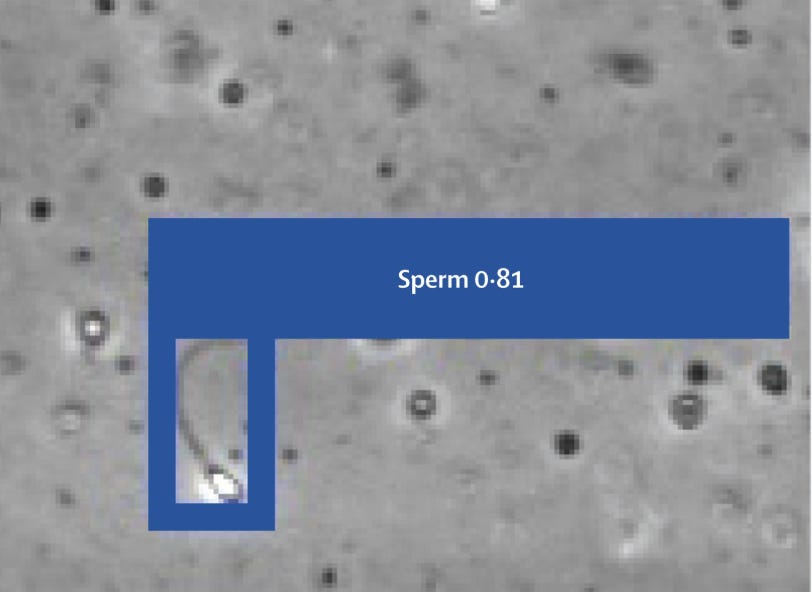
Right now this is a clinic-run procedure that’s only available at Columbia University Fertility Center, but there are plans to expand access.
2. Towards a universal snake anti-venom
Most snakebites happen in sub-Saharan Africa, with 300,000 bites causing an estimated 35,000 deaths per year. Current antivenoms are antibodies, that bind and block venom — these antibodies are collected from horses immunised with small, escalating doses of venom. They’re not always effective, though, they’re not broadly neutralising, and they can trigger immunological reactions.

This Nature paper leverages the unique ability of alpacas and lamas to produce nanobodies. Nanobodies are 10-times smaller than antibodies — so they penetrate tissues better — and they’re more flexible, too, so they’re better for reaching core structures in venom proteins that are buried in crevices (and often conserved between species).
An alpaca and a lama were immunised with 18 different snakes to produce nanobodies. When tested in mice, a cocktail of these 8 nanobodies stopped mice dying from the the venom of 17/18 snakes, including mambas and cobras.
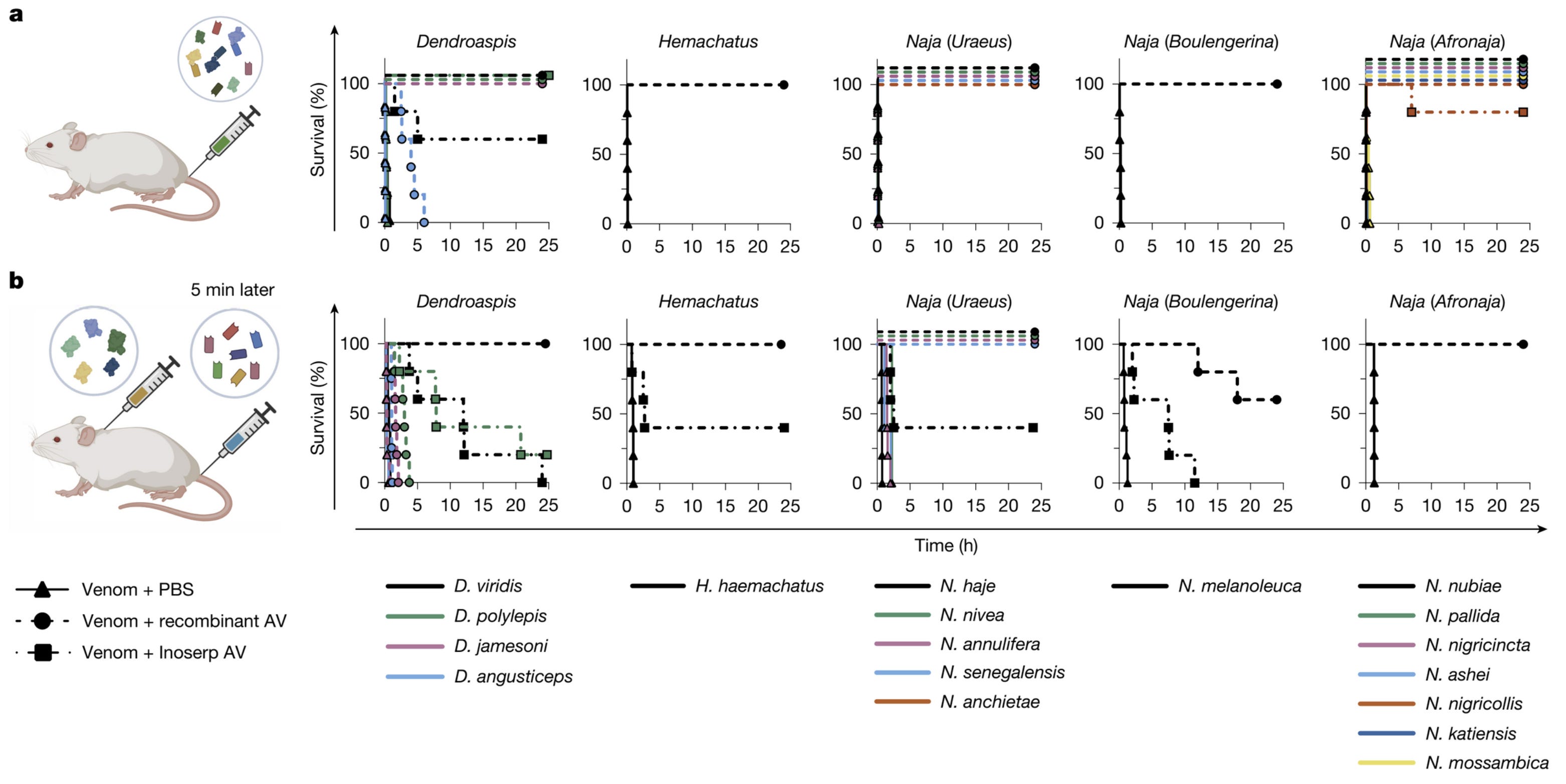
These nanobodies are still pre-clinical, but there’s a clear groundswell in this area: earlier this year we saw another breakthrough: AI-designed protein antivenoms.
3. Anti-inflammation to stop heart failure
Mesenchymal stem cells release factors that lower inflammation, prevent fibrosis, and promote new vessel growth. They already have approvals in graft-versus-host disease, and have been tested in complex Crohn’s disease, knee osteoarthritis, and new-onset type 1 diabetes.
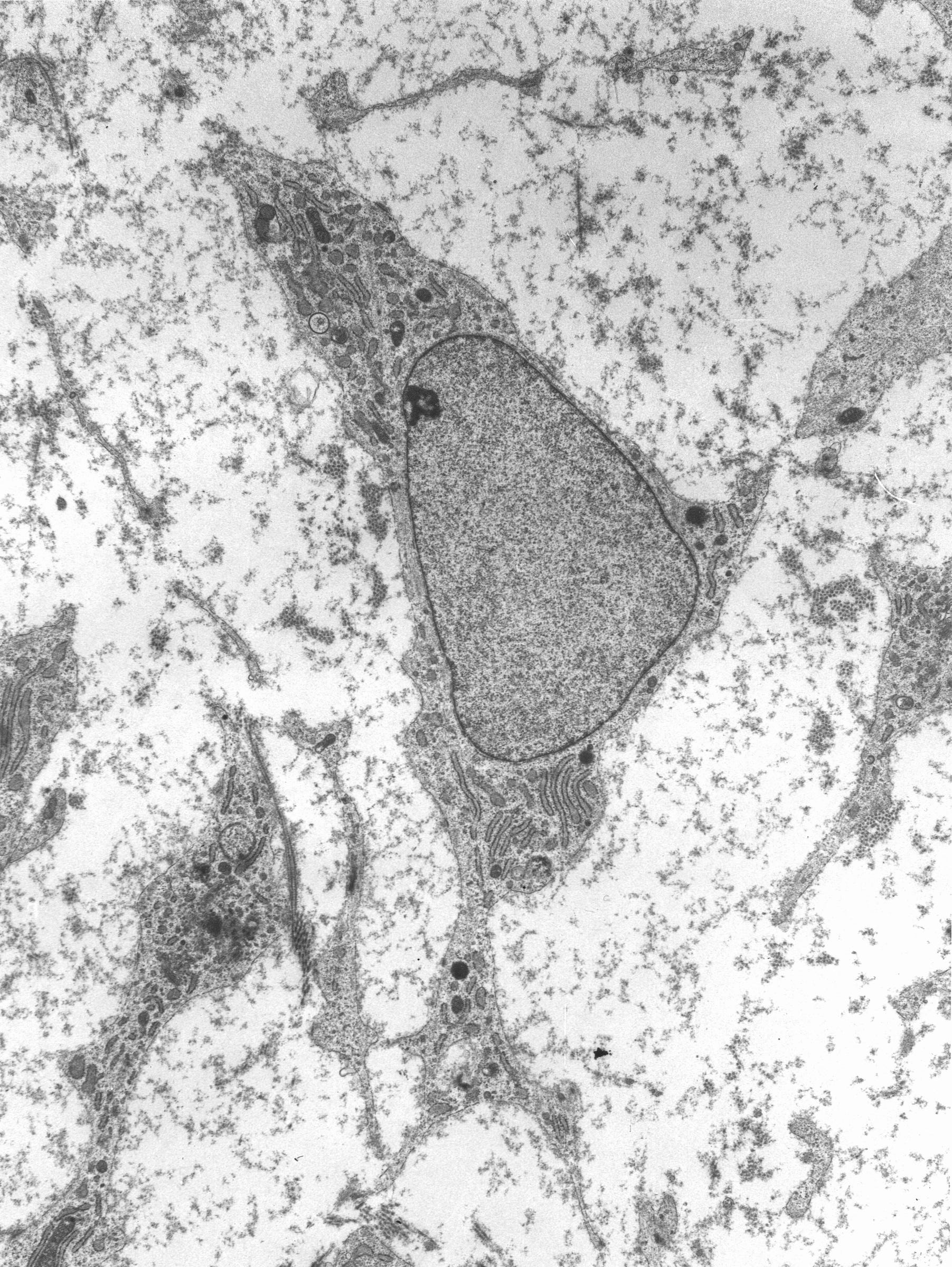
This study, in the BMJ, found that infusion of mesenchymal stem cells into the affected coronary artery after a heart attack cut progression to heart failure by more than half!
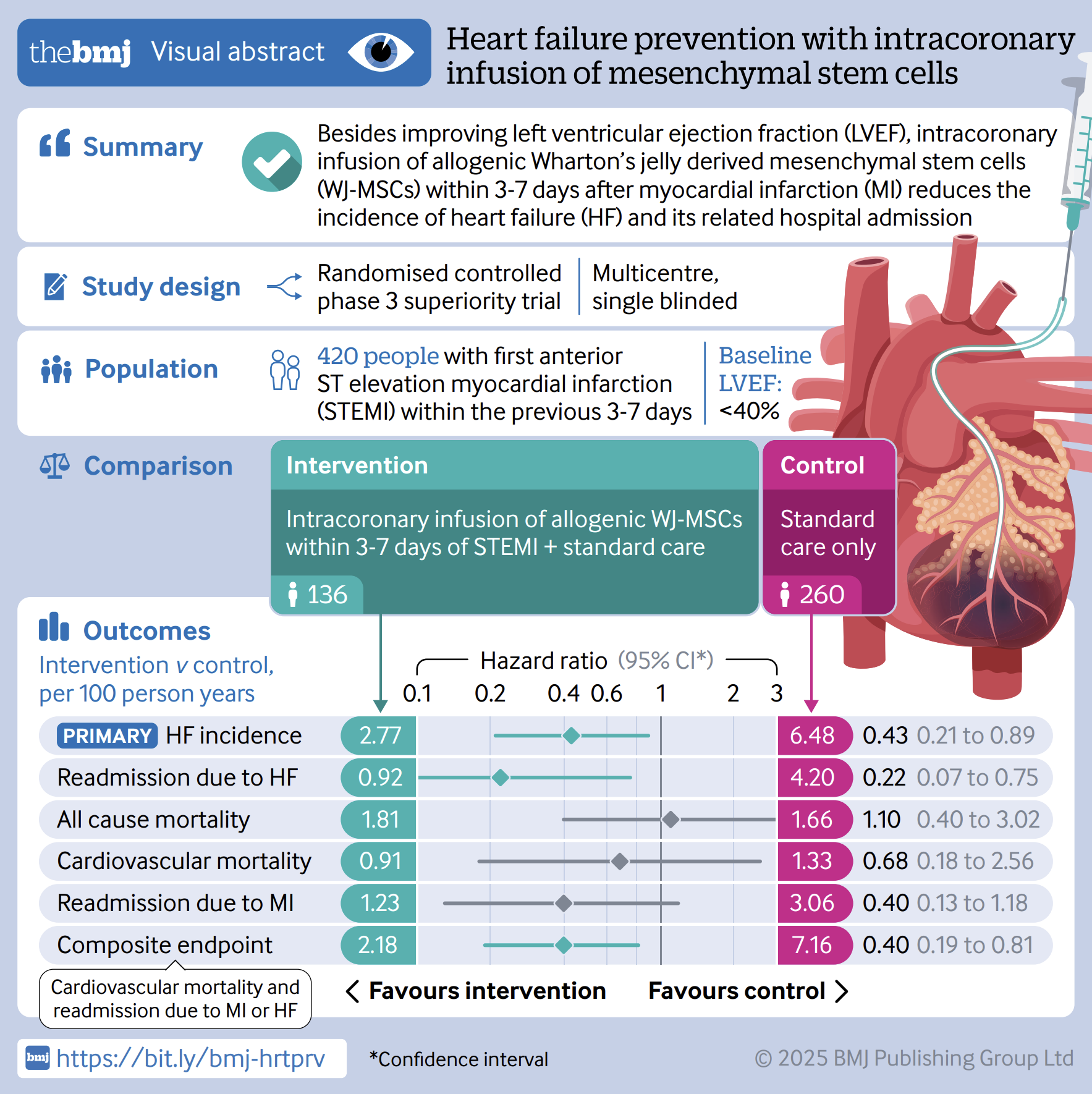
This is a pretty incredible result. It’s a randomized trial (so it’s high quality evidence), but it’s not completely free of bias – it wasn’t sham procedure-controlled, for example (patients knew if they had the procedure, investigators didn’t).
4. A vaccine for salmonella
Human challenge studies expose volunteers to a pathogen — they’re a way to test a new vaccine quickly. Human challenge was famously used in the Nobel Prize-winning discovery of the smallpox vaccine by Edward Jenner, and since to test new vaccines for Malaria and Covid.
In this study in NEJM, this model was used with a salmonella strain (Salmonella Paratyphi A) that has no approved vaccine, that causes millions of cases of enteric fever annually.
