We need to talk about fasting.
Fasting might break part of your immune system, and potential benefits in cancer treatment, auto-immune diseases and weight loss are heavily oversold.

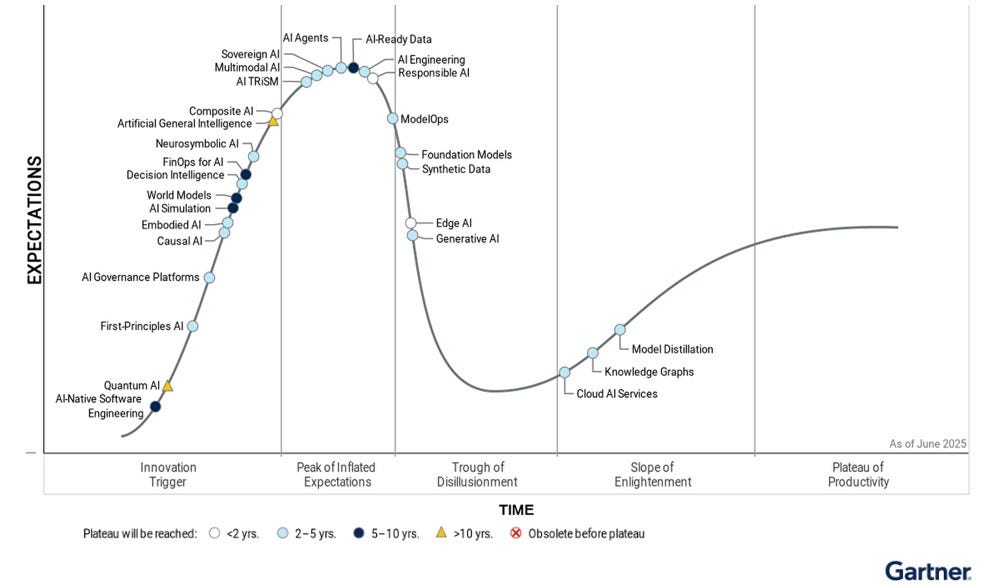
The Gartner Hype Cycle describes how technological innovations are viewed over time, first with overdrawn enthusiasm, followed by disillusionment. Lastly, technologies find their place in the market, expectations and results are finally balanced. Great theory, but according to research by The Economist, only a fifth of technologies follow this trajectory. Still, it’s a useful idea, as some technologies and concepts in general behave as predicted by the Gartner Hype cycle for a part of their lifespan.
Fasting is somewhere atop hype mountain currently, in my opinion. In its many forms, it has gripped the wellness world and does not seem to be letting go.
Fasting likely doesn’t improve breast cancer treatment
As a researcher in oncology, one specific fasting study caught my attention while investigating fasting. Between 2014 and 2018, Dutch oncologists randomised breast cancer patients to chemotherapy followed by surgery with or without a Fasting Mimicking Diet (FMD). FMD doesn’t strictly compose of a “fast”, but rather a period of reduced caloric intake (often a few hundred calories) over a few days followed by a longer period of normal eating.
Anyhow, in this Dutch trial, it appears that patients adhering to FMD had better responses to their chemotherapy, in their surgery specimens, more FMD-patients had high levels of necrosis in their tumours. Indeed, Miller-Payne grade 4/5, corresponding with over 90% of cancer cells being dead was more common in those adhering to FMD - the per protocol analysis.
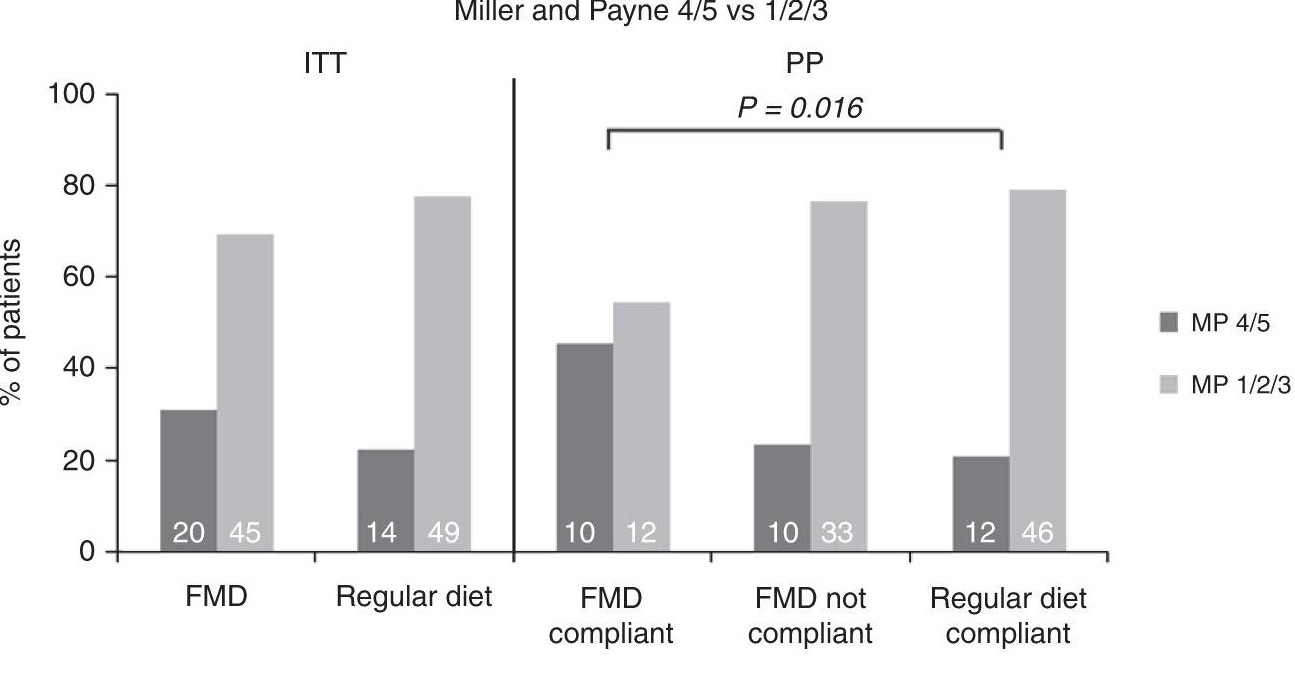
Additionally, quite some patients in the control group also fasted! This likely masks some of the potential benefits. These results are similar to those of a small Iranian study published in a Frontiers journal.
Sounds great, so all cancer patients should fast? Maybe not. Compliance to FMD is quite poor, hence the significant differences only occurring in the per protocol analysis, not the intention to treat analysis. More importantly, a planned long-term follow up of these patients was aborted due to futility. Doesn’t sound promising.
Fasting does not lead to more weight loss
In the now almost unimaginable world of pre-GLP1 weight loss, fasting was recommended for weight loss by lay people, professionals and everyone in between. It was easy to miss in the tsunami of GLP- and other peptide related weight loss news, but a Cochrane systematic review and meta-analysis published last month (February 2026) showed that fasting is not better than regular diet advice for weight loss. There wasn’t an effect on HDL, total cholesterol and triglycerides either.

It’s unsure whether fasting helps control auto-immune diseases
But fasting does strengthen the immune system right? You’d hope it does one thing right, but sadly this may also not be the case. Studies found discordant effects of fasting on immune function, likely relating to the strictness of the fast: extreme fasting limits immune function in mice, whereas moderate fasting apparently doesn’t.
In some individuals, fasting may be beneficial, consider for example people with multiple sclerosis (MS), an auto-immune disease affecting white matter in the central nervous system. Here, mice affected with Experimental Autoimmune Encephalomyelitis (EAE), a model for MS, undergoing intermittent fasting have less symptoms than control mice. Keep in mind though, EAE in mice is extremely easy to treat.
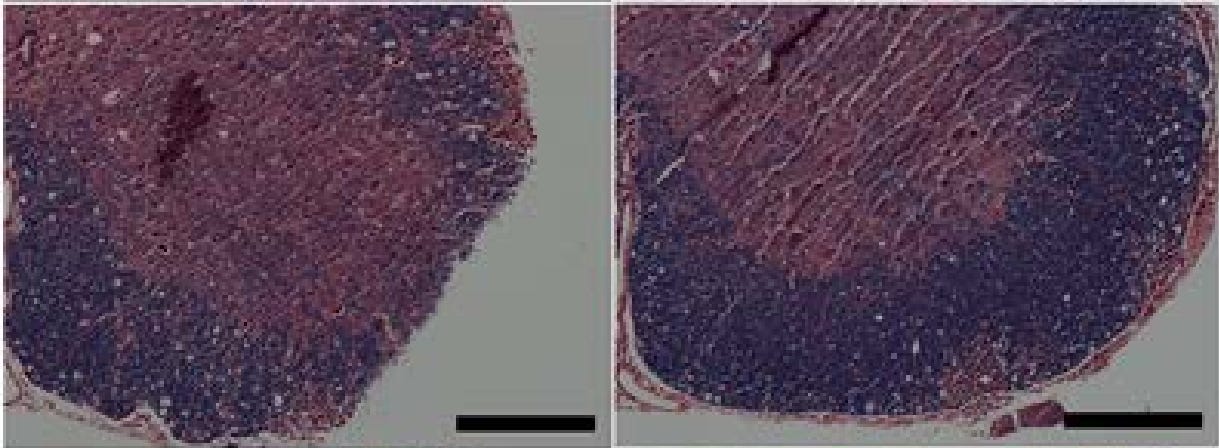
In humans, some clues hint that fasting may help MS too. Some (but not all) of the immune cell types implicated in MS pathogenesis drop when patients fast (shown in a small randomised controlled trial). In mice with EAE, fasting increased the immunoregulatory metabolite β-hydroxybutyrate (BHOB), and limits breakdown of myelin sheets as shown below. There is not sufficient clinical data though.